

In a fire station, furniture is more than just a place to rest; it’s part of the essential equipment that supports firefighter health and operational readiness. While comfort is important for recovery, the ability to easily and effectively decontaminate furniture is a non-negotiable requirement. Exposure to carcinogens, pathogens, and biohazards is a daily risk. Choosing furniture designed for these harsh realities is critical in protecting the long-term health of first responders. This investment goes far beyond aesthetics, directly impacting crew safety, station budgets, and the overall efficiency of the house.

Mitigating Long-Term Health Risks
Firefighters face significant exposure to hazardous substances, including carcinogens from smoke and soot, as well as bloodborne pathogens. Traditional upholstered furniture can absorb and trap these contaminants, becoming a persistent source of toxic exposure. Easily decontaminated furniture, built with non-porous or specially treated materials, allows for the thorough removal of these dangerous residues. This directly reduces the cumulative health risks for crews, playing a vital role in cancer prevention and disease control within the station.
Durability Against Rigorous Cleaning
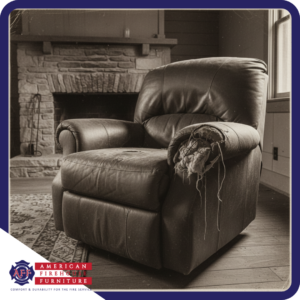
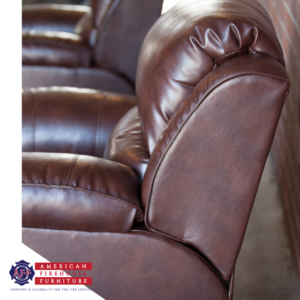
Standard furniture is not designed to withstand the aggressive cleaning protocols required in a firehouse. The frequent use of chemical disinfectants, sanitizers, and rigorous scrubbing quickly degrades typical upholstery and finishes, leading to cracks and tears where contaminants can hide. Furniture specifically engineered for fire stations, like American Firehouse Furniture’s ‘Fire-Tough’ line, utilizes materials that resist fading, cracking, and breaking down, ensuring they remain effective and safe to clean for their entire service life.

Enhancing Operational Readiness
A fire station must be ready for a call at any moment. After a fire or a medical response, cleaning gear and personnel is a priority. Furniture that is difficult to clean can prolong this decontamination process, keeping essential station areas out of service. Conversely, furniture designed for quick, simple decontamination—that can be wiped down and disinfected in minutes—minimizes downtime. This efficiency helps maintain a constant state of readiness, ensuring the crew and station are prepared for the next emergency.
Providing Long-Term Financial Value
While the initial cost of specialized, decontaminable furniture may be higher than residential-grade options, its long-term value is significantly greater. The superior durability and resistance to harsh cleaning mean this furniture lasts years longer, drastically reducing replacement cycles and repair costs. By investing in furniture built for the job, fire departments avoid the false economy of repeatedly replacing failed standard furniture and protect their most important asset—their firefighters.
Ultimately, the choice of furniture in a fire station is a critical decision that impacts firefighter health, operational efficiency, and long-term budgets. Prioritizing easily decontaminated, durable pieces is an essential part of a modern, safety-focused approach to station management. To learn more about furniture built to withstand the unique demands of the fire service, explore the ‘Fire-Tough’ collection from American Firehouse Furniture.